
When Donald Trump claimed that he could “end Narendra Modi’s career if he wanted to,” the statement quickly became a talking point across media platforms and political discussions. At first glance, such a remark appears confrontational and even threatening. However, international politics often relies on rhetoric, symbolism, and strategic messaging rather than literal intent. To understand this statement properly, it is important to look beyond the headline and examine its political context, limitations, and real implications.
This article explains what Trump likely meant, what he did not mean, and why such statements generate attention without necessarily changing ground realities.
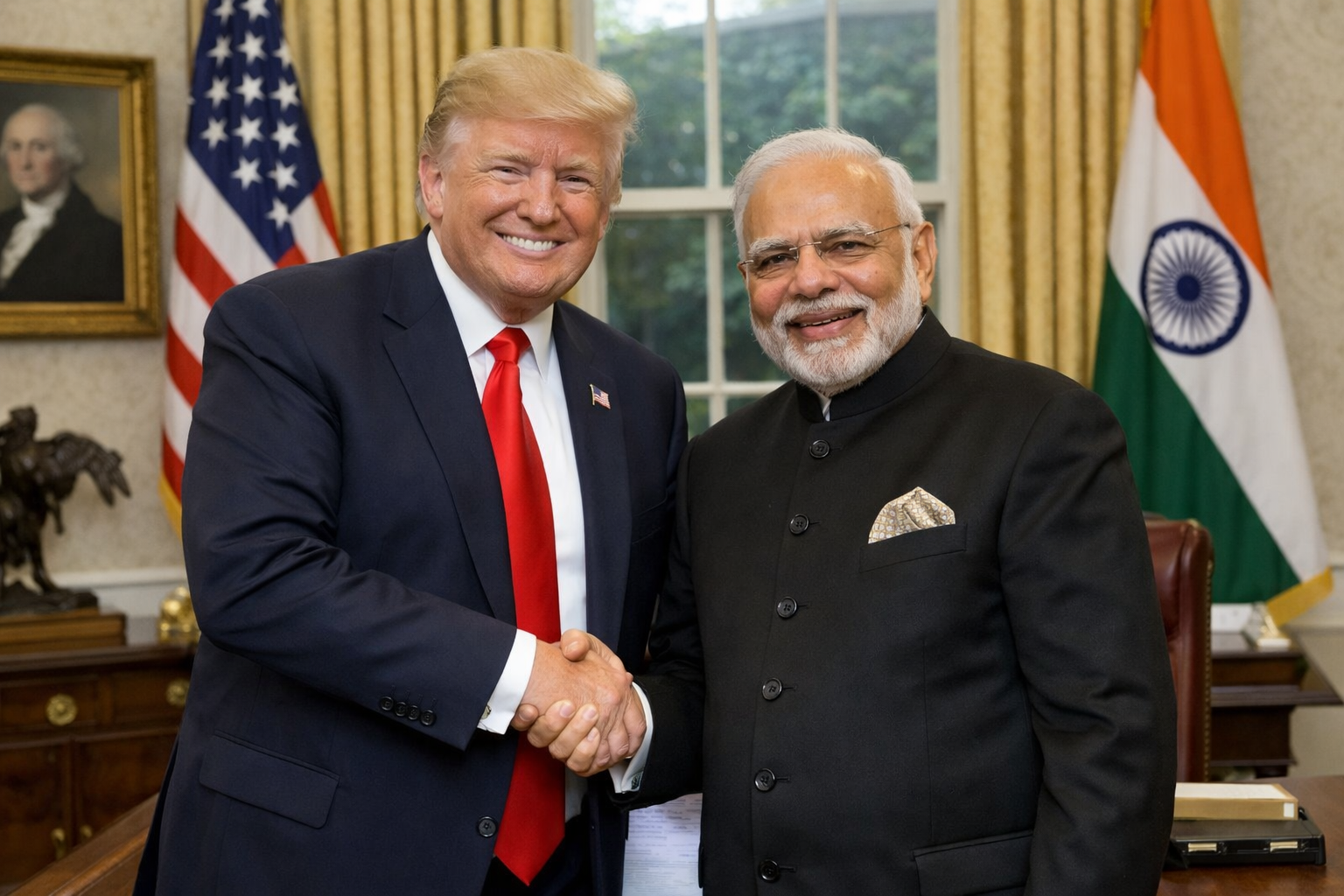
What Did Donald Trump Actually Say About Narendra Modi?
Trump’s statement was not made in a legal, diplomatic, or official policy document. Instead, it appeared as part of a broader political narrative in which he often emphasized American strength and his own negotiating skills. The phrase “ending someone’s career” was not meant as a formal declaration of action but as a rhetorical expression designed to showcase influence.Trump
has a long history of making bold claims about world leaders, trade partners, and allies. Whether dealing with China, NATO members, or neighboring countries, he often framed negotiations as power struggles where the United States held decisive leverage. The comment involving Modi should be read within this pattern rather than as a standalone threat.
India’s Democracy and the Limits of Foreign Influence. India
is a sovereign democratic nation with an independent constitutional framework. Narendra Modi became Prime Minister through elections decided by Indian voters and representatives. His political future depends on domestic factors such as governance, public opinion, economic performance, and electoral outcomes.
No foreign leader, regardless of global influence, has the constitutional authority to remove or politically dismantle an Indian Prime Minister. Elections in India are conducted by independent institutions, and leadership change happens only through democratic processes. This fundamental reality makes it clear that Trump’s statement cannot be interpreted as a literal or actionable claim.
Political Rhetoric vs Political Reality
Political rhetoric is often designed to send signals rather than announce concrete plans. Trump’s style is particularly known for exaggeration, strong language, and confidence-driven messaging. Such rhetoric serves multiple purposes:
- It reassures domestic audiences that their leader is “strong”
- It pressures negotiating partners psychologically
- It dominates media cycles and public discourse
Political reality, however, is governed by laws, institutions, and international norms. While rhetoric can influence perception, it does not automatically translate into control over another country’s internal politics. Trump’s comment fits squarely into the category of symbolic power projection, not actual political capability.
Trump’s Negotiation Style and Power Projection
Trump approached international relations with a business-style mindset. He believed that projecting strength, unpredictability, and dominance would lead to better deals. In trade negotiations, this often meant threatening tariffs, questioning alliances, or publicly criticizing partners.By suggesting that he could “end” a foreign leader’s career, Trump was reinforcing the idea that opposing U.S. demands could carry consequences. This does not mean he possessed direct control, but rather that he wanted the opposing side to feel pressure. Similar language was used in discussions involving China, Mexico, and even close U.S. allies.
In this sense, the statement about Modi was part of a negotiation narrative, not a genuine attempt to influence Indian democracy.
Can the United States Indirectly Pressure India?
While the U.S. cannot directly interfere in India’s political system, it does have tools of indirect influence, mainly through economic and diplomatic channels. These include:
- Trade tariffs and market access decisions
- Technology and defense partnerships
- Diplomatic support in international forums
Economic pressure can create challenges for any government, particularly if trade disputes affect industries or employment. However, indirect pressure does not equal political control. Many governments face international pressure without losing political legitimacy or leadership.
India has historically balanced relations with multiple global powers and has demonstrated policy independence even when facing external pressure.
Media Headlines and the Soundbite Effect
Modern political communication is heavily influenced by soundbites. Short, dramatic statements are more likely to go viral and generate clicks. Media outlets often highlight the most provocative part of a statement, sometimes without providing full context.
Trump’s remark fits perfectly into this media environment. A dramatic line creates debate, social media reactions, and opinion pieces. However, headlines often exaggerate the real impact of such comments. Over time, most of these statements fade without producing measurable diplomatic or political change.
Understanding this media dynamic is crucial for interpreting political statements responsibly.
India–US Relations Beyond Controversial Statements
India–U.S. relations are built on long-term strategic interests rather than individual comments. The two countries cooperate in areas such as:
- Defense and security
- Technology and innovation
- Counter-terrorismIndo-Pacific stability
While disagreements over trade and tariffs arise periodically, they are part of normal diplomatic engagement. Both nations have strong incentives to maintain a functional partnership. One provocative statement does not override decades of strategic alignment.
Why Such Statements Matter Politically
Even if a statement has no literal power, it still matters politically. Strong rhetoric can influence public perception, shape narratives, and affect diplomatic tone. For domestic audiences, it may reinforce leadership strength. For international audiences, it can signal negotiation posture.
However, seasoned policymakers and diplomats usually distinguish between rhetoric and policy. They focus on official actions, agreements, and long-term interests rather than public remarks alone.
Final Analysis: Who Really Decides Narendra Modi’s Political Future?
Ultimately, the future of India’s Prime Minister is decided by Indian voters, political institutions, and democratic processes. Foreign leaders can express opinions, apply diplomatic pressure, or negotiate aggressively, but they cannot determine electoral outcomes in another sovereign nation.
Trump’s statement should therefore be understood as political rhetoric, not a factual claim of power. It reflects a style of communication centered on dominance and negotiation rather than a realistic assessment of influence.
In conclusion, while the remark generated attention and debate, it does not change the fundamental reality of Indian democracy. Modi’s political career, like that of any democratic leader, remains firmly in the hands of the people he represents — not in the words of a foreign leader.