
In today’s modern world, a credit score plays a very important role in a person’s financial life. It shows how responsibly a person manages money borrowed from banks or lenders. A good credit score creates trust with banks and financial institutions and makes it easier to get loans, credit cards, or other financial products. Whether someone wants to apply for a loan, a credit card, or even rent a house, their credit score becomes a deciding factor . In India, credit scores usually range from 300 to 900 and are maintained by credit bureaus like TransUnion CIBIL and higher scores indicate better financial behavior. Maintaining a good credit score is not only helpful for getting loans at lower interest rates but also helps in building a strong financial reputation. Therefore, understanding how to improve and manage your credit score in 2026 is very important for long-term financial success.
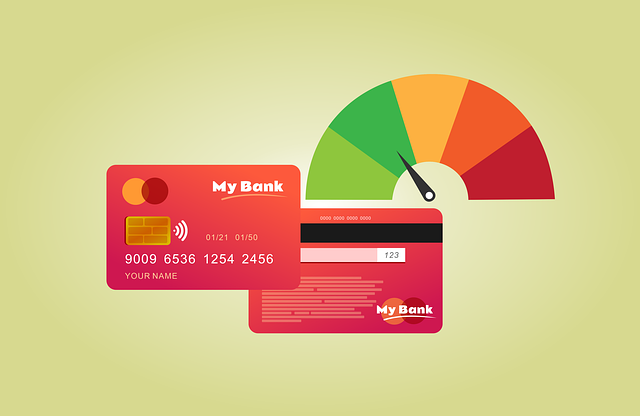
What is credit score?
A credit score is a three-digit number ( 300- 900) that represents a person’s financial reliability and trustworthiness. It is more than just a number—it reflects how responsibly a person manages borrowed money, repays loans and EMIs on time, and maintains financial discipline. Banks and lenders use the credit score to assess credit risk, which is the possibility that a borrower may fail to repay a loan or credit on time. A high credit score reduces this risk, showing lenders that the borrower is reliable and capable of handling financial obligations. Maintaining a good credit score not only helps in getting loans and credit cards quickly but also ensures lower interest rates, higher credit limits, and better financial opportunities. In addition, a strong credit score enhances a person’s financial reputation, creating trust with banks, lenders, and even in rental or professional agreements.
“A credit score is calculated based on several factors, including payment history, credit utilization, length of credit history, credit mix, and hard inquiries.”
Factors that affect a credit score
✓Payment history
Among all factors, payment history is the most important. It shows whether you pay your EMIs, loans, and credit card bills on time. Payment history accounts for approximately 35% of your credit score, making it a major factor in determining your financial reliability. If you pay on time, your credit score improves, but if you are late or miss a payment, your score can decrease significantly. Consistently maintaining timely payments demonstrates responsibility and builds trust with lenders.
✓Credit Utilisation
Credit utilization is the second important factor that affects your credit score. It shows how much of your available credit you are using. If you use more than 30% of your total credit limit, it can negatively impact your score. Ideally, keeping your credit utilization below or around 30% is best for maintaining a healthy credit score. Proper credit usage demonstrates financial discipline and shows lenders that you can manage credit responsibly without over-relying on borrowed money.
✓Length of Credit History
Length of credit history plays a very important role in determining your credit score. A longer credit history builds trust with lenders, as it shows a proven record of financial responsibility over time. Older accounts with a good repayment history improve your score and can help you secure loans at lower interest rates from banks. Maintaining long-term credit accounts demonstrates stability and reliability, which are highly valued by lenders when assessing creditworthiness.
✓Credit mix
Credit mix plays a very crucial role in maintaining a good credit score. It shows how well you handle different types of credit, such as personal loans, home loans, and credit cards. A healthy mix of both secured and unsecured credit demonstrates financial responsibility and versatility. Properly managing multiple types of credit builds trust with lenders and indicates that you can handle diverse financial obligations responsibly, which positively impacts your credit score.
✓Hard inquires
Hard inquiries occur when you apply for a loan or a credit card, and lenders check your credit report to assess your creditworthiness. Each check is called a hard inquiry, and it can slightly reduce your credit score. Multiple hard inquiries in a short period may signal higher risk to lenders, potentially lowering your score further. Therefore, it is important to avoid applying for many loans or credit cards at the same time. Managing hard inquiries responsibly shows lenders that you are cautious and disciplined in borrowing, which helps maintain a healthy credit score.
Why Credit Score Is Important
A credit score is important for several reasons. Firstly, it helps banks and lenders determine the interest rate on loans by looking at your credit history; a higher score usually means a lower interest rate. It also affects your eligibility for credit cards and loans, as well as the loan amount you can receive. Maintaining a good credit score builds your financial reputation and shows lenders that you are trustworthy and responsible. Banks like State Bank of India and HDFC Bank check your credit score before approving loans or credit cards. A higher score not only ensures faster approvals but also helps secure higher credit limits and better loan terms. In addition, a strong credit score can make it easier to rent a house, negotiate professional financial agreements, and access other financial opportunities with confidence.
Credit Score Range (India 2026)
750 – 900: Excellent – Eligible for loans at best interest rates.
700 – 749: Good – High loan approval chances, slightly higher interest rates.
650 – 699: Fair – Moderate approval chances; interest rates may be elevated.
550 – 649: Poor – Low approval chances; banks may reject applications or charge high rates.
300 – 549: Very Poor – Very low chances of credit approval; improvement required.
A score above 750 is considered very safe for loans and credit cards.
A score below 650 means you should focus on improving your credit history before applying for big loans.
How to Increase Your Credit Score in 2026 –
✓ Pay EMIs and Bills on Time
Always pay loans, EMIs, and credit card bills on time.
Late or missed payments reduce your credit score.
Use reminders or auto-debit to avoid delays.
✓ Keep Credit Utilization Low
Use less than 30% of your total available credit.
Avoid maxing out credit cards.
Low utilization shows financial discipline.
✓Avoid Multiple Loan or Credit Card Applications
Too many applications create hard inquiries, reducing your score.
Apply only when necessary.
✓ Maintain Old Credit Accounts
Don’t close old credit cards unnecessarily.
Longer credit history improves your score.
✓Check Credit Report Regularly
Get your credit report from CIBIL or other bureaus.
Correct errors or discrepancies immediately.
✓Avoid Loan Settlements
Always repay loans in full rather than settling for a lower amount.
Settlements negatively affect your credit score.
✓Take Secured Loans if Needed
If your score is low, use loans against fixed deposits or gold.
Paying them on time improves your score gradually.
✓Reduce Outstanding Debts
Focus on clearing high-interest loans first.
Lower overall debt improves credit score over time.
✓Diversify Credit Wisely
A healthy credit mix (secured + unsecured loans) shows responsibility.
Avoid unnecessary types of credit.
Advantages of Having a High Credit Score
Having a high credit score offers several significant advantages. First, it reduces the rate of interest on loans and credit cards, allowing you to borrow money at a lower cost. It also makes it easier to obtain loans or credit cards, as lenders trust you more. A high credit score ensures financial stability, higher credit limits, and faster loan approvals. Additionally, it gives you negotiation power with banks, enabling you to secure better loan terms or credit conditions. Overall, a strong credit score opens doors to better financial opportunities and demonstrates your reliability and responsibility to lenders.
Disadvantages of Having a Low Credit Score
Having a low credit score can create several financial challenges. Firstly, it may lead to loan rejections, making it difficult to access credit when needed. Even if loans are approved, they often come with a high interest rate, increasing the overall repayment burden. A low credit score can also result in limited credit card offers and lower credit limits. Financial difficulties caused by a poor credit score may lead to stress and anxiety, and in some cases, even affect overall health. Additionally, a low score can reduce your credibility with lenders, making it harder to negotiate favorable loan terms or access other financial opportunities.
How Long Does It Take to Improve a Credit Score?
The time it takes to improve a credit score depends on the severity of mistakes and how consistently you manage your finances. Small mistakes, such as missing a few bill or EMI payments, can usually be corrected within three to six months if you start paying on time. However, serious defaults or large unpaid amounts may take one to two years to recover fully. Loan settlements or accounts that were closed without full repayment can take more than two years to reflect positively on your credit report. Overall, improving a credit score requires consistency, financial discipline, and responsible credit behavior over time.
Common Mistakes to Avoid in 2026
There are some common mistakes that people should avoid to maintain a good credit score in 2026.
∆ Missing Payments – If you don’t pay your EMIs, credit card bills, or loans on time, your credit score will decrease.
∆ Using Too Much Credit – If you use more than 30% of your credit limit or max out your cards, it can reduce your score is created, and too many applications can lower your credit score.
∆ Closing Old Credit Accounts – Old accounts increase the length of credit history, so closing them unnecessarily can hurt your score.
Settling Loans Instead of Paying Fully – If you settle a loan by paying less than the full amount, it negatively affects your score.
∆ Ignoring Credit Report Errors – Not checking your credit report may allow mistakes or fraud to remain, which can reduce your score.
∆ Taking Unnecessary Loans – Borrowing without real need increases debt and can harm your credit score.
In short: Avoid missing payments, high credit use, multiple loan applications, loan settlements, and ignoring errors to keep your credit score strong.
Conclusion
A credit score has both advantages and disadvantages depending on how a person manages their finances. Maintaining a good credit score is very beneficial for those who repay their loans, EMIs, and credit card bills on time. A high score helps in getting loans easily, at lower interest rates, with faster approvals and higher credit limits. On the other hand, a low credit score can lead to loan rejections, higher interest rates, and financial stress. Overall, building and maintaining a strong credit score requires consistency, financial discipline, and responsible borrowing, but the rewards in terms of financial stability and opportunities are significant.