
The Indian rupee weakened slightly in early trade, falling 6 paise to ₹90.62 against the U.S. dollar. While this decline has raised short-term concerns in the forex market, experts believe the decline may be temporary. Market indicators suggest signs of recovery are emerging, supported by stable domestic fundamentals and potential foreign investment inflows. Traders are now closely monitoring global developments and crude oil prices to gauge whether the rupee is poised to rebound in the coming sessions.
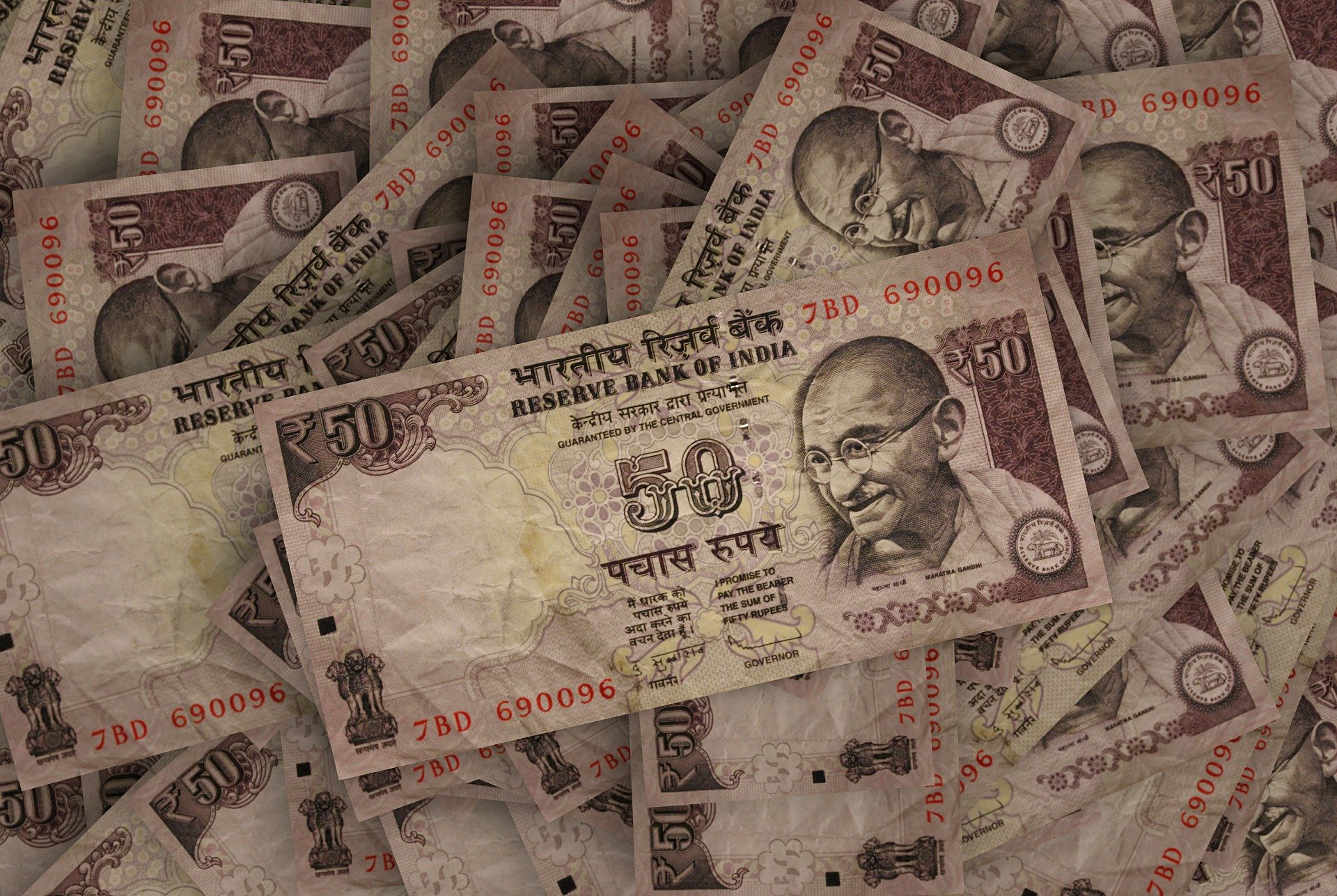
Rupee Slips in Early Trade, But Is This Just a Temporary Dip?
The Indian rupee fell 6 paise to trade at ₹90.62 against the U.S. dollar in early trade, sparking renewed speculation in the forex market. While the decline appears minor, currency fluctuations often reflect deeper global and domestic economic trends. Traders initially reacted to strong dollar demand and global uncertainty, leading to a slight decline in the rupee.
However, despite the rupee’s initial weakness, several signs of recovery have emerged. Market experts say this decline may be temporary, and if supportive factors emerge in the coming sessions, the rupee could rebound.
Understanding the Early Morning Pressure
In the interbank foreign exchange market, the rupee opened slightly volatile before settling near the 90.62 mark. The pressure largely came from:
- Stronger U.S. dollar in global markets
- Rising crude oil prices
- Dollar demand from importers
- Cautious investor sentiment
Whenever the dollar strengthens globally, emerging market currencies like the Indian rupee often face pressure. Additionally, India’s dependence on imported crude oil increases dollar demand, which impacts the local currency.
But currency markets are dynamic. A small dip does not always indicate a long-term downward trend.
Why Experts Believe the Rupee May Recover
Despite the short-term weakness, multiple positive signals suggest that the rupee could stabilize and gradually strengthen.
1️⃣ Strong Domestic Economic Growth
India remains one of the fastest-growing major economies in the world. Stable GDP growth, improving manufacturing output, and expanding services sectors provide long-term support to the rupee. Strong economic fundamentals attract global investors, increasing foreign currency inflows
2️⃣ Potential Foreign Institutional Investment (FII) Inflows
If foreign investors increase their participation in Indian equity and bond markets, dollar supply will improve. Higher inflows generally strengthen the rupee. Recent market trends indicate that investors are closely watching India’s growth story
3️⃣ Reserve Bank Monitoring Volatility
The central bank continuously monitors currency volatility. While market forces primarily determine exchange rates, authorities often step in to prevent excessive fluctuations. This oversight helps maintain stability in the forex market.
4️⃣ Possible Softening of the U.S. Dollar
If global inflation moderates or U.S. economic data shows signs of slowdown, the dollar may weaken. A softer dollar globally can provide relief to emerging market currencies, including the rupee.
Impact of Crude Oil Prices on the Rupee
Crude oil plays a major role in India’s import bill. When oil prices rise, Indian importers need more dollars to pay for shipments. This increases dollar demand and weakens the rupee.
However, if global oil prices stabilize or decline, it could reduce pressure on the Indian currency. Analysts believe that oil price movements will be a key factor in determining the rupee’s direction in the near term.
Short-Term Volatility vs Long-Term Trend
Currency markets often react sharply to short-term global events. Geopolitical tensions, economic data releases, and central bank statements can influence daily movement.
But long-term trends depend on:
- Economic growth
- Inflation control
- Trade balance
- Foreign investment inflows
- Policy stability
India’s macroeconomic indicators remain relatively stable, which is why many experts see the recent dip as a temporary adjustment rather than a structural weakness.
How a Stronger Rupee Benefits the Economy
If the rupee strengthens in the coming days, it could bring several advantages:
✅ Lower Import Costs
A stronger rupee makes imported goods cheaper. This includes fuel, electronics, and industrial machinery.
✅ Reduced Inflation Pressure
Lower import costs can help ease inflation, especially fuel-related inflation.
✅ Improved Investor Confidence
Currency stability attracts global investors and strengthens financial markets.
Possible Risks That Investors Should Watch
While recovery signals are emerging, some risks remain:
- Continued global dollar strength
- Unexpected rise in crude oil prices
- Geopolitical tensions
- Volatile foreign capital flows
If these factors intensify, the rupee could remain under pressure for a longer period.
What Market Analysts Are Saying
Forex analysts suggest that the rupee’s movement around the 90.50–90.70 range may act as a consolidation phase. If foreign investment flows pick up and oil prices stabilize, the currency could see gradual strengthening.
Some experts believe that improving trade balance data and stable inflation numbers may further support the rupee’s recovery.
Is the Current Dip a Buying Opportunity?
In currency markets, short-term dips are sometimes viewed as adjustment phases. Exporters and importers often use such moments to hedge positions. If market sentiment improves, the rupee could regain lost ground in the coming sessions.
However, investors are advised to monitor global economic data closely before making strategic decisions.
Outlook for the Coming Weeks
Looking ahead, the rupee’s performance will depend on:
- Global economic stability
- U.S. monetary policy signals
- Crude oil price trends
- Foreign capital inflows
- Domestic economic data
If supportive conditions align, the rupee may move toward a stronger zone, reversing recent losses.
Conclusion: Rupee Set for Comeback?
The Indian rupee’s fall to 90.62 against the U.S. dollar in early trade has sparked attention in the forex market. However, multiple recovery signals suggest that the dip may be temporary. Strong economic fundamentals, potential foreign investment inflows, and central bank oversight could provide stability.
While short-term volatility may continue, the broader outlook indicates that the rupee has the capacity to stage a comeback. Investors and traders will closely monitor global developments to determine the next direction.
For now, the question remains: Is this just a temporary dip before the rupee regains strength? Market trends in the coming days will provide the answer.