
Here’s the latest
Ceasefire status: There are mixed messages on the status of US-Iran talks to end the war. On Wednesday, Donald Trump said talks had been “very good,” but Iranian Foreign Minister Abbas Araghchi said there had been no “significant progress” in recent days.
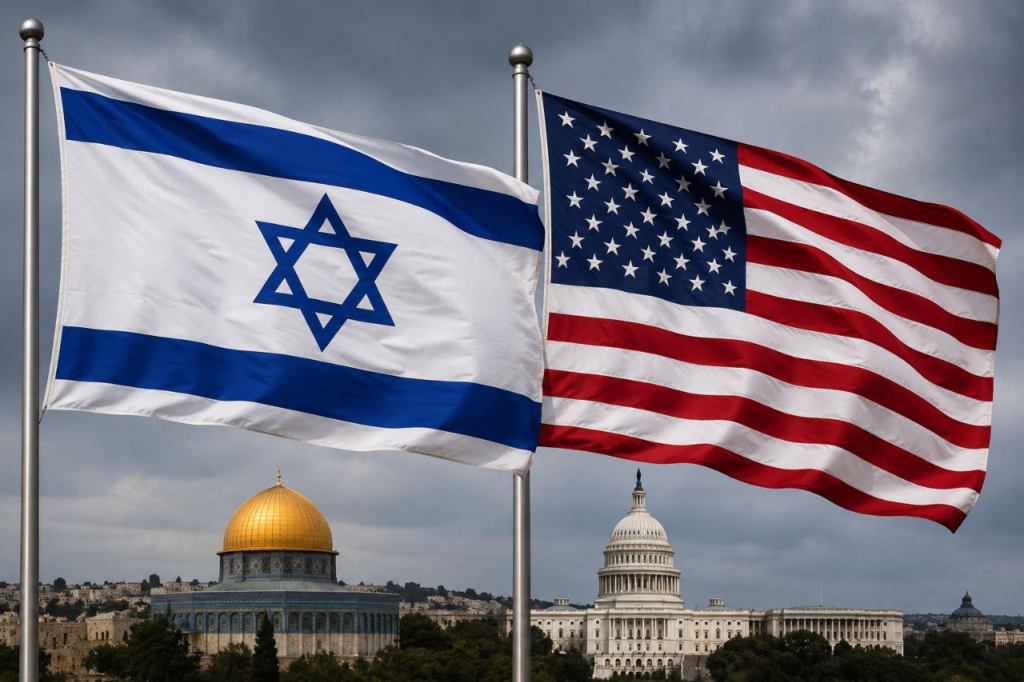
US-Israel relations: Trump also called Israeli Prime Minister Benjamin Netanyahu a “great partner,” days after a tense phone call between them. On Capitol Hill, US Secretary of State Marco Rubio attempted to contextualise the talks regarding Lebanon, saying Hezbollah remains a problem.
Israel-Lebanon talks: After another round of talks, Israel and Lebanon agreed to implement a ceasefire, contingent on Hezbollah ceasing shelling and removing Hezbollah operatives from southern Lebanon.
Congressional rebuke: Meanwhile, the House
Background of the Conflict
The relationship between Israel and Lebanon has been marked by decades of tension. Although periods of calm have existed, the border area has frequently been a source of military confrontations. One of the most influential actors in this dynamic is Hezbollah, which emerged in Lebanon during the 1980s and has since become both a political force and an armed organization.
Hezbollah has long positioned itself as a resistance movement against Israel. Over the years, it has developed significant military capabilities and maintains a strong presence in parts of Lebanon. Israel, meanwhile, views Hezbollah as a major security threat due to its military strength and arsenal of weapons.
The history of conflict between Israel and Hezbollah includes numerous clashes, ranging from limited border incidents to larger confrontations. These tensions have often had consequences not only for military forces but also for civilians living near affected areas.
Why the Ceasefire Matters
The recent ceasefire is significant because it offers an opportunity to prevent further escalation. Continued conflict can have severe humanitarian, economic, and political consequences. Border communities are often among the first to experience the effects of military activity, including damage to infrastructure, disruptions to daily life, and displacement.
A successful ceasefire could help create conditions for greater stability in southern Lebanon and northern Israel. It may also reduce the risk of a wider regional conflict involving additional actors.
Diplomatic efforts leading to the agreement involved multiple stakeholders. International organizations and foreign governments have repeatedly emphasized the importance of restraint and dialogue. Their goal has been to reduce tensions while encouraging all parties to respect existing security arrangements.
Hezbollah’s Central Role
Although the ceasefire is an agreement involving the governments of Israel and Lebanon, Hezbollah’s role is widely viewed as a determining factor in whether the arrangement will succeed.
The organization exercises considerable influence in southern Lebanon, an area that has frequently been at the center of border tensions. Because of its military presence and operational capabilities, Hezbollah has the ability to affect security conditions on the ground.
For the ceasefire to remain effective, military activities along the border would need to decrease substantially. This includes preventing attacks, avoiding retaliatory actions, and maintaining communication channels that can help manage incidents before they escalate.
Analysts often point out that ceasefire agreements are only as strong as the willingness of key actors to comply with them. In this case, Hezbollah’s decisions could play a major role in determining whether the current agreement leads to lasting calm or becomes another temporary pause in hostilities.
Challenges to Implementation
Despite the positive developments, several challenges remain.
One challenge involves trust. Years of conflict have created deep suspicions among all parties involved. Even minor incidents can quickly generate accusations and increase tensions.
Another challenge concerns enforcement. Ceasefires typically require monitoring mechanisms and clear procedures for addressing violations. Without effective oversight, disagreements over responsibility for incidents can undermine confidence in the agreement.
Political considerations also play an important role. Leaders in both Israel and Lebanon face domestic pressures and security concerns. Decisions related to border security, military operations, and diplomatic engagement are often influenced by internal political dynamics.
In addition, regional developments could affect the ceasefire’s durability. The Middle East is characterized by interconnected political and security issues, meaning that events in one area can sometimes influence situations elsewhere.
The Humanitarian Dimension
Beyond military and political considerations, the ceasefire has important humanitarian implications.
Residents of border communities have endured months of uncertainty. Families have faced disruptions to education, employment, and everyday activities. Many people have been forced to leave their homes due to security concerns.
A sustained period of calm could allow displaced individuals to return, businesses to reopen, and reconstruction efforts to move forward. Humanitarian organizations often emphasize that reducing violence is essential for improving living conditions and supporting long-term recovery.
Children and vulnerable populations are frequently among those most affected by conflict. A stable ceasefire can help restore access to schools, healthcare services, and community resources that may have been disrupted during periods of fighting.
International Reactions
The international community has generally welcomed efforts to reduce tensions between Israel and Lebanon. Governments and international organizations have repeatedly called for restraint and encouraged all parties to honor their commitments.
Many observers view the ceasefire as an opportunity to strengthen diplomatic engagement and reduce the likelihood of future confrontations. However, they also stress that maintaining peace requires continuous effort and cooperation.
International support may include diplomatic monitoring, humanitarian assistance, and initiatives aimed at building confidence among the parties involved. Such measures can help reinforce the ceasefire and encourage adherence to agreed-upon terms.
Prospects for Long-Term Stability
Whether the current ceasefire evolves into a lasting peace remains uncertain. History shows that ceasefires can provide valuable opportunities for dialogue, but long-term stability often requires addressing underlying political and security concerns.
For Israel, security remains a primary consideration. For Lebanon, issues related to sovereignty, economic recovery, and internal political dynamics are also important. Hezbollah’s position within Lebanon’s political and security landscape adds another layer of complexity.
Experts suggest that sustainable peace will likely depend on a combination of diplomatic engagement, effective security arrangements, and a commitment from all parties to avoid actions that could reignite conflict.
Confidence-building measures, communication channels, and continued international involvement may help reduce misunderstandings and prevent isolated incidents from escalating into larger confrontations.
Conclusion
The ceasefire agreement between Israel and Lebanon represents a significant diplomatic development and offers hope for reduced violence along a historically volatile border. While the agreement itself is an important step, its ultimate success will depend on implementation and compliance by all relevant actors.
Hezbollah’s role is particularly important because of its influence and presence in southern Lebanon. Its actions could significantly affect whether the ceasefire leads to lasting stability or remains a temporary pause in hostilities.
For civilians who have endured the consequences of conflict, the ceasefire provides a chance for greater security and a return to normal life. The coming weeks and months will be critical in determining whether this agreement becomes the foundation for a more peaceful future or another chapter in a long history of regional tensions.